Preparations
To prepare for the interview I made a list of ten open ended questions to ask the interviewee. With these questions I wish to gather as much information as I can about this persons country and culture. Along with the questions, I also constructed a set of objectives to follow during my interview. I found this to be much more difficult than making my list of questions. I used the help of my classmates objectives posted on their blogs to strengthen my own set of objectives. After this I began to look for an interviewee. I found this part to be quite easy; I just asked an international student in our class if she knew anyone that I could interview. She said yes her roommate could do it.
Interview
We met on November 2nd in the library at around 7:30 PM. We met on the third floor because that is where she was doing her homework. We then proceeded to the basement to find a place to do the interview. We found a nice secluded place perfect for two people to do an interview. The felt that the entire went very well I started it by asking her if I could record the interview and she said sure. I started the recorder and began the interview with a couple questions about her country and her background. I feel that the entire interview went well, at first I was nervous and I could tell she was nervous, but by the end of it we were both comfortable.
Biography
My interviewee’s name was Miranda. She is from South Korea and she has no family here with her. I also learned that she has been in the United States for about a year and a half. She is a sophomore here at SCSU and is working on her English so she can go back home and get a good job.
Interview Process
The interview process from my point of view was a success. We started the interview well; she was very friendly and willing to do the interview. We were kind of nervous at the start but progressively became more and more comfortable with each other. The interview process was first me preparing a list of questions and with those questions I made a list of objectives to follow so I could keep myself on track. I found that by the time the interview was over I had finished all of my questions, but did not just end the interview because it became more than an interview, it was just a normal conversation. This surprised me because I figured once I was done with my list of questions I would just end the interview. I was also surprised that she asked me a few questions or would just ask me the same question that I asked her. This made me feel more comfortable with the interview because I knew she was also interested in our conversation .
South Korea
South Korea is a small country, but it is the third densely populated country in the world with almost 50 million people, only following Bangladesh and Taiwan. South Korea is in East Asia and is neighbored by China, Japan and obviously North Korea. Seoul is the capital of South Korea. “The fifth largest city in the world, the Seoul metropolis has a population of about 10.3 million and is the center for economy, finance, the arts and culture.” (Asianinfo.com)
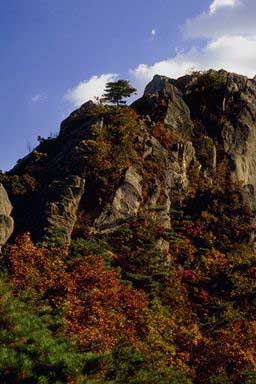
The typical landscape or geography in South Korea is mountainous. The Korean Peninsula, located in Northeast Asia, is bordered on the north by China and Russia and juts toward Japan to the southeast. The northernmost point is Yup'ojin in Onsong-gun, Hamgyongbuk-do Province, and the southernmost point is Marado island, Cheju-do Province according to Asianinfo.com
There are a couple ethnic groups that live in South Korea, they are Korean and Chinese. South Korean people do have their own language, but I learned in my interview that children are taught English and that English is very important to get a successful job. “Korea's population is one of the most ethnically and linguistically homogenous in the world. Except for a small Chinese community (about 20,000), virtually all Koreans share a common cultural and linguistic heritage. With 48.5 million people, South Korea has one of the world's highest population densities. Major population centers are located in the northwest, southeast, and in the plains south of the Seoul-Incheon area.” (CIA World Fact Book)
“South Korea shares its traditional culture with North Korea, but the two Koreas have developed distinct contemporary forms of culture since the peninsula was divided in 1945. Historically, while the culture of Korea has been heavily influenced by that of neighboring China, it has nevertheless managed to develop a unique and distinct cultural identity from its larger neighbor” (Wikipedia) Also I learned in my interview that the United States has a couple of differences, these including religion. South Korea has about half of it’s’ population is Christian and the other half is Buddhism. I also learned in my interview that people my age in South Korea like to go to the bars and drink just like people do in the United States.
CIA. "The World Fact." Central Intelligence Agency. September 30, 2009. https://www.cia.gov/library/publications/the-world-factbook/geos/ch.html (accessed October 20, 2009).
Asian info.org (2009, November 3). Seoul, South Korea. Retrieved 2000, From Asian info.org: http://www.asianinfo.org/asianinfo/seoul/seoul.htm
Tuesday, November 3, 2009

Interview #2 Transcript
Interview Transcript
Kevin Harty
Miranda
Me- Alright, is it ok if I record this?
Miranda- yes, sure
Me-alright I have a couple questions prepared; the first one is where are you from?
Miranda- I’m from South Korea in Seoul, Do you know where Seoul is? It is the capital of South Korea.
Me- Where is that located?
Miranda- In the middle of South Korea. I was born in Seoul.
Me- did you grow up there?
Miranda- yes I grew up there in Seoul.
Me- Kaye had told me before this that South Korea is very densely populated.
Miranda- yes, it has a huge population.
Me- what made you come here?Miranda- Actually I came here to study English, at first I was an international student, but I got a chance to go to a university, so that is why I am studying.
Me- Is it a rare thing for someone from South Korea to go to a university outside of your country?
Miranda- yes it can be a big deal because if you can speak good English you can get a good job.
Me- Do you have any family here?
Miranda- No, I don’t have any family.
Me- Its just you.
Miranda- yeah, just living alone with no family, well I’m used to it.
Me- your used to it now.
Miranda- yes, but I do live with a few other people that are from Korea. One of my roommates has an aunt here.
Me-Do you plan on staying here after school?
Miranda- maybe, I don’t think so, I’ll maybe go back to Korea to get a job
Me- Do you plan on staying here long enough to get your degree?
Miranda- No, I usually don’t like St. Cloud.
Me- Oh really
Miranda- Yeah its too cold and I can’t find anything to do here because I’m used to live in big city
Me- like a really big city.
Miranda- yeah
Me- yeah I bet there is always something to go do.
Miranda- yeah
Me- yeah it can get kind of boring around here sometimes.
Miranda- and I don’t have a car yet, so yeah
Me- have to ride the bus or something.
Miranda- yes just bus
Me- do you like the school aspect of SCSU, like the classes
Miranda- yes I do like this environment. How about you do you like it here
Me- yes I like it here, but this is what I’m used to.
Miranda- Were you born here
Me- no I was born in Waseca.
Miranda- where is that
Me- it is about two hours south of here
Miranda- oh, ok
Miranda- are you a sophomore
Me- nope, I’m a junior. What are you?
Miranda- I am a sophomore.
Me- so this is your second year here
Miranda- yes it is my second year, I lived in the dorms last year, but now I am living with Kaye in apartments, yeah and with two other girls.
Me- that’s cool, so do you miss home?
Miranda- yes I do, especially my friends.
Me- how long has it been since you have been home?
Miranda- one and a half year, I think, I went home last winter and I will maybe go to Korea this summer and I’ll probably stay there.
Me- are you planning on finishing school back home?
Miranda- Maybe I’ll just look for a job. It think, yeah.
Me- well you had said that you like the schooling part of SCSU, but what don’t you like?
Miranda- do you mean just the university?
Me- yeah
Miranda- actually I think we have so much differences in Korea, I think that in Korea we think like do things all together not individual things.
Me- do you mean things like homework?
Miranda- yeah like, its very important especially in Korea. Korea is very conservative so we need to respect our superior.
Me- like elders
Miranda- yes exactly, so since you are a junior I have to respect you.
Me- really
Miranda- yeah
Me- well I guess we have to respect our elders here also, or at least some aspect of it. Kind of like a seniority rule.
Miranda- I think that in the united states individualism i think that it is very important, but in Korea we don’t think like that we like to work in groups.
Me- where else do you see differences?
Miranda- um, I don’t know I think just like the individualism.
Me- how about like food?
Miranda- food?
Do you miss food from back home?
Miranda- sure, it is very different, usually Korean food is so spicy and we don’t like grease like oily, like hamburger pizza, you know like cheese, but we do like spicy food.
Me- do you hamburger and pizza back home.
Miranda- it is there if you want it.
Me- alright what made you choose SCSU?
Miranda- why
Me- yes why did you come to this school?
Miranda- the Korean university and SCSU have relationship with each other.
Me- oh really I didn’t know that.
Miranda- yeah, so I could choose this school. they introduced me to this school, SCSU, so that is why I came here.
Me- do they have any other relations to other schools, like other universities that you could have chosen?
Miranda- I’m not sure, but the first time I paid for tuition it was in Korea.
Me- I bet that made it a lot easier to come to the United States when you have a university there taking care of everything before you get here.
Miranda- yes, that made it very easy to come here.
Me- do you have anything else
Miranda- no, not really about that.
Me- can you describe to me what a normal day would be like back home?
Miranda- like when I want to go home?
Me- yes when you are back home what would it be like?
Miranda- well it would be very similar, you would get up and just do the things you have to do.
Me- Do you have a job back home?
Miranda- no, no job.
Me- have you ever had a job?
Miranda- no, I always use my parents money.
Me- what is the weather like in Korea?
Miranda- we have four seasons just like here fall winter spring summer, but it is very much warmer than here.
Me- is it?
Miranda- yeah, it’s a lot warmer. Especially in the summer it is a lot warmer in Korea than here. It also has a warm winter.
Me- so I take it you don’t like Minnesota winters.
Miranda- no, when I first came here I was really surprised when I saw big piles of snow.
Me- ya I bet you aren’t used to snow.
Miranda- actually we do have snow, but I didn’t expect the great amount of snow that is here.
Me- that would be a weird transition to come from somewhere where there is not much snow.
Miranda- Have you ever been to any other countries?
Me- yes, I have been to Canada, Aruba, Puerto Rico, and the Virgin Islands.
Miranda- so you’ve never been to like Asia?
Me- no I have never been to Europe or Asia, but I want to. Where have you all been?
Miranda- I lived in Vietnam for about four months, but I have never been to anywhere in Europe I really want to go though.
Me- How far is it to somewhere like France from Korea.
Miranda- I think it is very far. How about from here how far it is?
Me- I’m actually not to sure I bet it would be at least 10 hours.
Me- what were your feeling about leaving your country to go to school here?
Miranda- nervous, the language is very hard for me, I’m actually still learning English, especially in Korea if I can speak English very well I can work any jobs.
Me- really, like in Korea
Miranda- especially in Korea, they think that English is very important than other things. A lot of people are trying to study English to get a good job.
Me- I wonder why they think so highly of the English language?
Miranda- I’m not sure, but they start children very young so they can speak English.
Me- when did you start learning English?
Miranda- maybe, I thknk in middle school, but we just learned grammer and reading so they can’t speak English.
Me- oh so they can’t even speak it.
Miranda- yeah
Me- Do you know any other languages?
Miranda- I know Japanese a little bit.
Me- have you ever been there?
Miranda- No, maybe I will go next summer.
Me- japan isn’t very far from Korea is it?
Miranda- Japan, no it’s not very far, I think it takes one and a half hour flight to get there.
Me- oh really, that is close.
Miranda- yes you can even take a ship.
Me- do people dress similar to people here?
Miranda- no really different, they like to dress cooler I think. It’s different from people here that are trying to stay warm. They don’t wear anything fancy.
Me- what did you guys do for fun back home, you had mentioned big city life?
Miranda- Drink
Me- what the drinking age there?
Miranda- 20 I think no 19, actually I think that the st. cloud bar closes at like two, but in Korea the bars never close so you can come out of there at like seven in the morning if you want to. Stores in Korea are also different we have much more 24 hour places back home. It’s very usual to see a 24 hour.
Me- alright well I think that about finishes our interview, I want to thank you for doing this with me?
Miranda- oh, no problem.
Kevin Harty
Miranda
Me- Alright, is it ok if I record this?
Miranda- yes, sure
Me-alright I have a couple questions prepared; the first one is where are you from?
Miranda- I’m from South Korea in Seoul, Do you know where Seoul is? It is the capital of South Korea.
Me- Where is that located?
Miranda- In the middle of South Korea. I was born in Seoul.
Me- did you grow up there?
Miranda- yes I grew up there in Seoul.
Me- Kaye had told me before this that South Korea is very densely populated.
Miranda- yes, it has a huge population.
Me- what made you come here?Miranda- Actually I came here to study English, at first I was an international student, but I got a chance to go to a university, so that is why I am studying.
Me- Is it a rare thing for someone from South Korea to go to a university outside of your country?
Miranda- yes it can be a big deal because if you can speak good English you can get a good job.
Me- Do you have any family here?
Miranda- No, I don’t have any family.
Me- Its just you.
Miranda- yeah, just living alone with no family, well I’m used to it.
Me- your used to it now.
Miranda- yes, but I do live with a few other people that are from Korea. One of my roommates has an aunt here.
Me-Do you plan on staying here after school?
Miranda- maybe, I don’t think so, I’ll maybe go back to Korea to get a job
Me- Do you plan on staying here long enough to get your degree?
Miranda- No, I usually don’t like St. Cloud.
Me- Oh really
Miranda- Yeah its too cold and I can’t find anything to do here because I’m used to live in big city
Me- like a really big city.
Miranda- yeah
Me- yeah I bet there is always something to go do.
Miranda- yeah
Me- yeah it can get kind of boring around here sometimes.
Miranda- and I don’t have a car yet, so yeah
Me- have to ride the bus or something.
Miranda- yes just bus
Me- do you like the school aspect of SCSU, like the classes
Miranda- yes I do like this environment. How about you do you like it here
Me- yes I like it here, but this is what I’m used to.
Miranda- Were you born here
Me- no I was born in Waseca.
Miranda- where is that
Me- it is about two hours south of here
Miranda- oh, ok
Miranda- are you a sophomore
Me- nope, I’m a junior. What are you?
Miranda- I am a sophomore.
Me- so this is your second year here
Miranda- yes it is my second year, I lived in the dorms last year, but now I am living with Kaye in apartments, yeah and with two other girls.
Me- that’s cool, so do you miss home?
Miranda- yes I do, especially my friends.
Me- how long has it been since you have been home?
Miranda- one and a half year, I think, I went home last winter and I will maybe go to Korea this summer and I’ll probably stay there.
Me- are you planning on finishing school back home?
Miranda- Maybe I’ll just look for a job. It think, yeah.
Me- well you had said that you like the schooling part of SCSU, but what don’t you like?
Miranda- do you mean just the university?
Me- yeah
Miranda- actually I think we have so much differences in Korea, I think that in Korea we think like do things all together not individual things.
Me- do you mean things like homework?
Miranda- yeah like, its very important especially in Korea. Korea is very conservative so we need to respect our superior.
Me- like elders
Miranda- yes exactly, so since you are a junior I have to respect you.
Me- really
Miranda- yeah
Me- well I guess we have to respect our elders here also, or at least some aspect of it. Kind of like a seniority rule.
Miranda- I think that in the united states individualism i think that it is very important, but in Korea we don’t think like that we like to work in groups.
Me- where else do you see differences?
Miranda- um, I don’t know I think just like the individualism.
Me- how about like food?
Miranda- food?
Do you miss food from back home?
Miranda- sure, it is very different, usually Korean food is so spicy and we don’t like grease like oily, like hamburger pizza, you know like cheese, but we do like spicy food.
Me- do you hamburger and pizza back home.
Miranda- it is there if you want it.
Me- alright what made you choose SCSU?
Miranda- why
Me- yes why did you come to this school?
Miranda- the Korean university and SCSU have relationship with each other.
Me- oh really I didn’t know that.
Miranda- yeah, so I could choose this school. they introduced me to this school, SCSU, so that is why I came here.
Me- do they have any other relations to other schools, like other universities that you could have chosen?
Miranda- I’m not sure, but the first time I paid for tuition it was in Korea.
Me- I bet that made it a lot easier to come to the United States when you have a university there taking care of everything before you get here.
Miranda- yes, that made it very easy to come here.
Me- do you have anything else
Miranda- no, not really about that.
Me- can you describe to me what a normal day would be like back home?
Miranda- like when I want to go home?
Me- yes when you are back home what would it be like?
Miranda- well it would be very similar, you would get up and just do the things you have to do.
Me- Do you have a job back home?
Miranda- no, no job.
Me- have you ever had a job?
Miranda- no, I always use my parents money.
Me- what is the weather like in Korea?
Miranda- we have four seasons just like here fall winter spring summer, but it is very much warmer than here.
Me- is it?
Miranda- yeah, it’s a lot warmer. Especially in the summer it is a lot warmer in Korea than here. It also has a warm winter.
Me- so I take it you don’t like Minnesota winters.
Miranda- no, when I first came here I was really surprised when I saw big piles of snow.
Me- ya I bet you aren’t used to snow.
Miranda- actually we do have snow, but I didn’t expect the great amount of snow that is here.
Me- that would be a weird transition to come from somewhere where there is not much snow.
Miranda- Have you ever been to any other countries?
Me- yes, I have been to Canada, Aruba, Puerto Rico, and the Virgin Islands.
Miranda- so you’ve never been to like Asia?
Me- no I have never been to Europe or Asia, but I want to. Where have you all been?
Miranda- I lived in Vietnam for about four months, but I have never been to anywhere in Europe I really want to go though.
Me- How far is it to somewhere like France from Korea.
Miranda- I think it is very far. How about from here how far it is?
Me- I’m actually not to sure I bet it would be at least 10 hours.
Me- what were your feeling about leaving your country to go to school here?
Miranda- nervous, the language is very hard for me, I’m actually still learning English, especially in Korea if I can speak English very well I can work any jobs.
Me- really, like in Korea
Miranda- especially in Korea, they think that English is very important than other things. A lot of people are trying to study English to get a good job.
Me- I wonder why they think so highly of the English language?
Miranda- I’m not sure, but they start children very young so they can speak English.
Me- when did you start learning English?
Miranda- maybe, I thknk in middle school, but we just learned grammer and reading so they can’t speak English.
Me- oh so they can’t even speak it.
Miranda- yeah
Me- Do you know any other languages?
Miranda- I know Japanese a little bit.
Me- have you ever been there?
Miranda- No, maybe I will go next summer.
Me- japan isn’t very far from Korea is it?
Miranda- Japan, no it’s not very far, I think it takes one and a half hour flight to get there.
Me- oh really, that is close.
Miranda- yes you can even take a ship.
Me- do people dress similar to people here?
Miranda- no really different, they like to dress cooler I think. It’s different from people here that are trying to stay warm. They don’t wear anything fancy.
Me- what did you guys do for fun back home, you had mentioned big city life?
Miranda- Drink
Me- what the drinking age there?
Miranda- 20 I think no 19, actually I think that the st. cloud bar closes at like two, but in Korea the bars never close so you can come out of there at like seven in the morning if you want to. Stores in Korea are also different we have much more 24 hour places back home. It’s very usual to see a 24 hour.
Me- alright well I think that about finishes our interview, I want to thank you for doing this with me?
Miranda- oh, no problem.
Subscribe to:
Posts (Atom)